
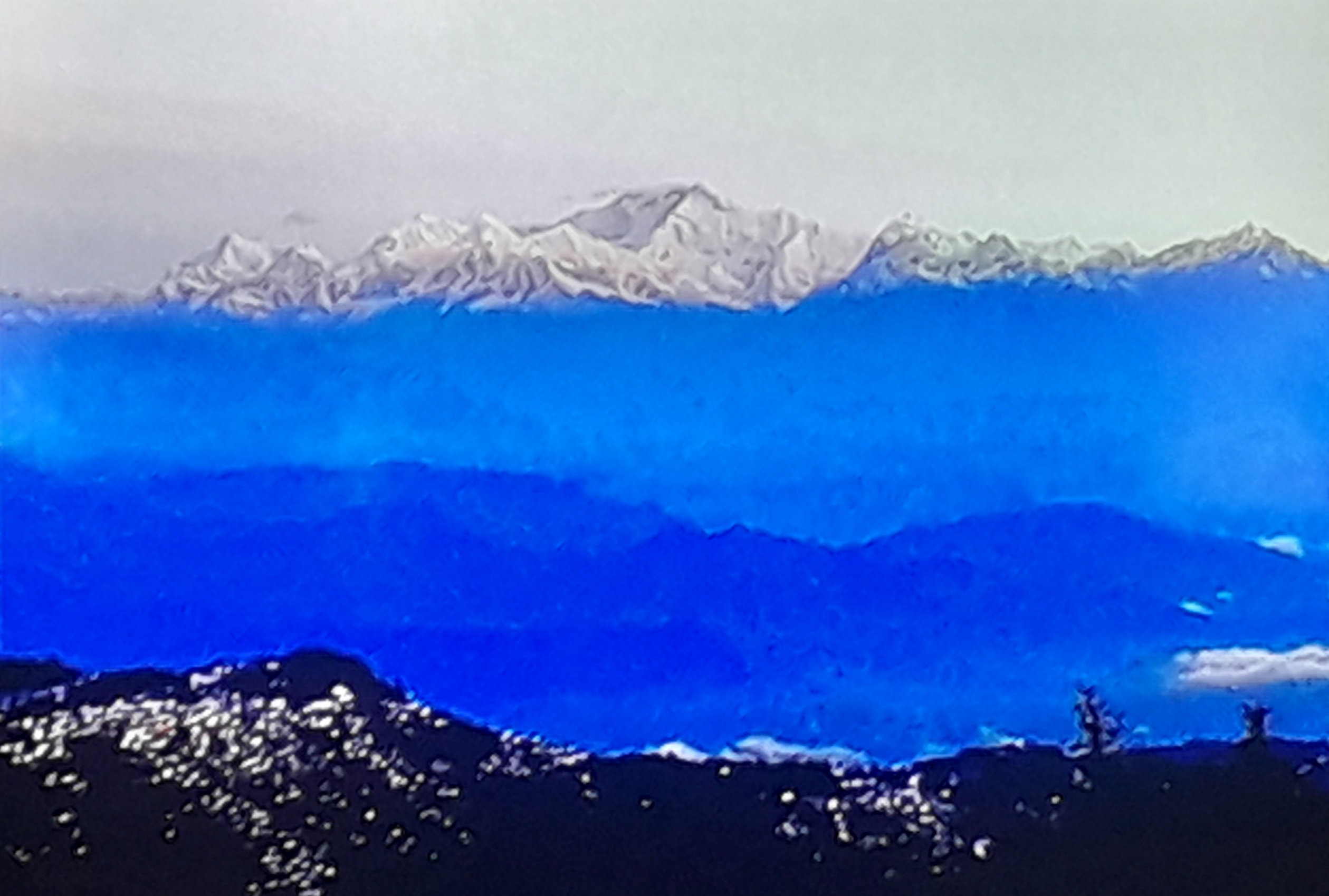
Why three days changes the trip
Three days moves Darjeeling from “catch the sunrise” to “settle in”. You still get the one must-do — first light on the Kanchenjunga range from Tiger Hill — but you also have room for the forest, the railway or the tea estates without turning every day into a dash.
The shape this guide recommends: settle on day one, sunrise on day two, one big choice on day three. That also gives you a spare morning if the sunrise day turns cloudy.
Day 1 – Arrive and settle into Darjeeling
Spend day one getting there and getting your bearings, not chasing viewpoints.
- Travel in: from NJP or Bagdogra the climb to Darjeeling is a hill journey in its own right. See the from NJP and from Bagdogra guides and do not book anything tight on arrival day.
- Afternoon: explore the town centre around the Mall and Chowrasta. Observatory Hill and Mahakal Temple are here, inside the town — remember this is a different place from the Tiger Hill sunrise viewpoint on Senchal Road.
- Evening: confirm your day-two pickup, agree the fare and ask what it covers. Read the sunrise taxi guide for the questions that save arguments at 4 a.m.
Where you sleep matters for the dawn start. The where to stay guide explains the trade-offs between the central town and the Ghoom side nearer the viewpoint.
Day 2 – The sunrise morning, then the Ghoom road
Leave well before sunrise and drive up through Ghoom and along Senchal Road. Queue at the gate, find a place to stand, and keep your layers on — the top is colder and windier than town.
On a clear morning the Kanchenjunga massif takes the first light and, in especially clear conditions, a distant Everest shows as well. None of this is guaranteed. Cloud and haze can hide the range, and a “clear” forecast is not a promise. The sunrise weather guide explains why.
On the way back, two stops fit naturally:
- Batasia Loop — spiral railway and war memorial. See the Tiger Hill to Batasia Loop route.
- Ghoom Monastery — close to the loop. See the Ghoom Monastery guide.
Eat breakfast at Ghoom or in town; the breakfast guide covers why opening times matter. Then rest. The afternoon is yours.
Day 3 – Pick one substantial excursion
Choose one of the following, not all three.
Option A – Forest and lake
Senchal Wildlife Sanctuary and Senchal Lake sit in the same forest belt as the viewpoint. They suit walkers and anyone who wants quiet hills rather than town. See the Senchal Wildlife Sanctuary guide and the Senchal Lake guide. Check access rules locally; forests can have their own permits and seasonal closures.
Option B – Railway and tea
Ride or watch the Darjeeling Himalayan Railway, then spend the afternoon around a tea estate. See the Darjeeling toy train guide and the tea gardens guide. This is the gentler, seated option and works well with older visitors.
Option C – Another viewpoint and a slow town day
If the sunrise was cloudy and you want a second chance at a mountain view, the Darjeeling viewpoints guide lists town viewpoints that need no dawn start. Pair it with shopping and a long lunch.
Where three days still falls short
Three days will not cover every nearby town, every monastery and every trail. If the sunrise is your one fixed point and the rest is flexible, three days is comfortable. If you also want Sandakphu-level trekking or the wider region, plan a longer trip.
Honest notes on travel time and money
- Hill roads are slow. Distances that look short on a map often take far longer in practice — build in buffers and do not chain together three stops in one afternoon.
- Transport, entry and parking charges are set locally and change. We have not verified current tariffs, so ask what each amount covers rather than assuming.
- The viewpoint listing shows hours and a third-party rating, but a listing is not a guarantee of access on your date.
Confirm the essentials for your own dates before you travel, and the three-day trip stays relaxed rather than rushed.