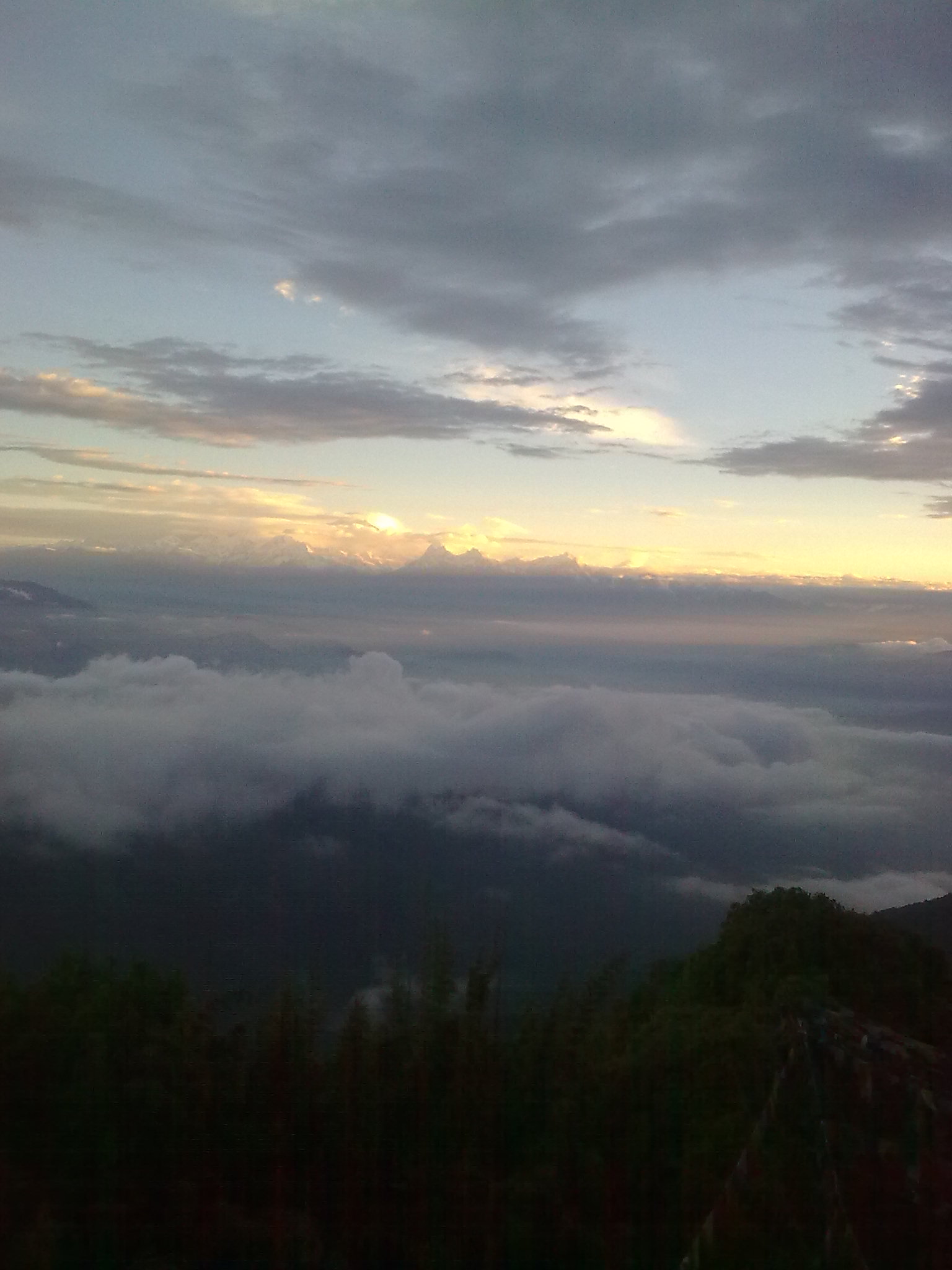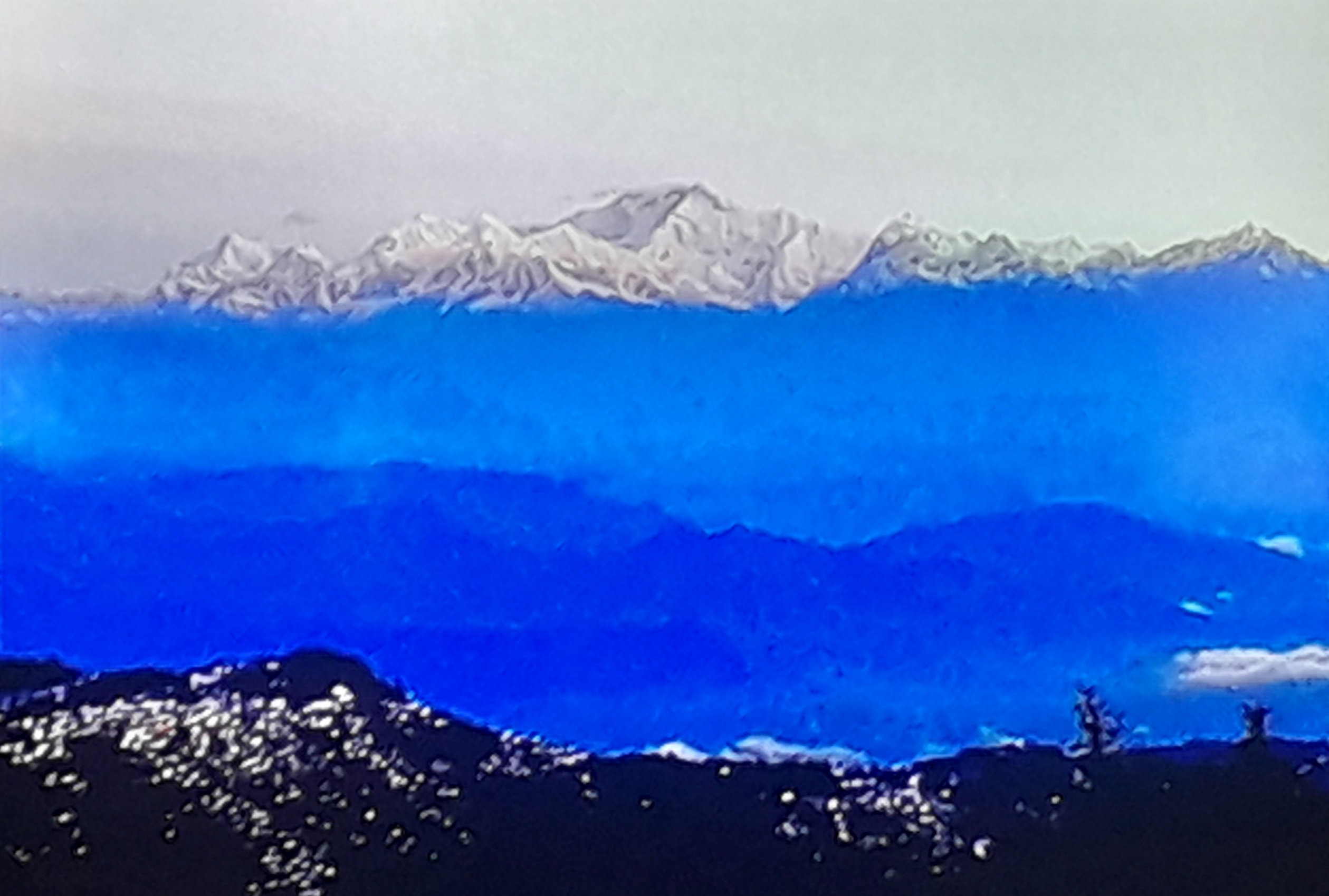
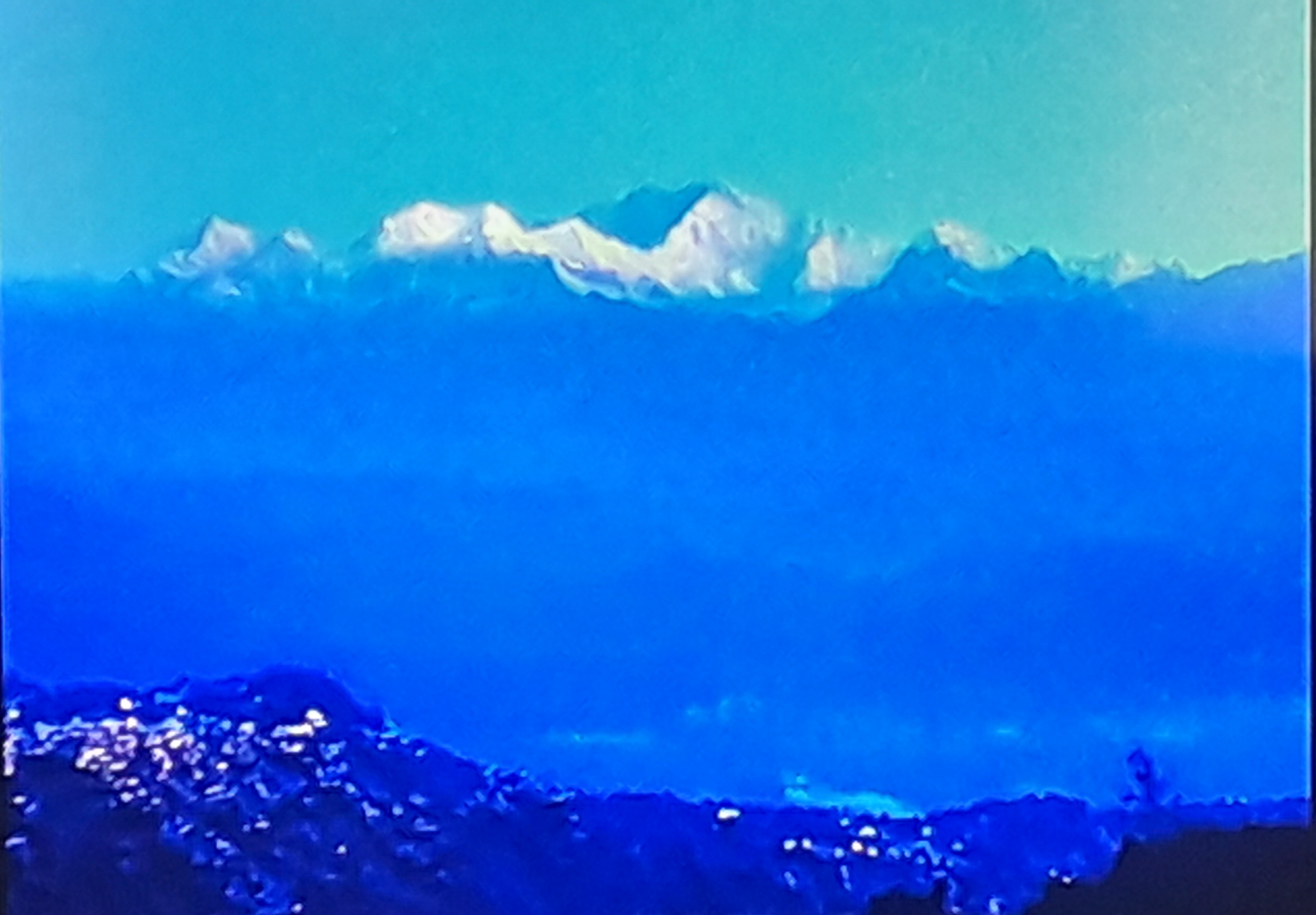
The reason people climb to Tiger Hill before dawn is Kanchenjunga. On a clear morning the massif takes the first light and turns from cold grey to warm gold while the valleys below are still dark. It is unforgettable when it happens — but it happens only when the weather allows. This page explains what you are looking at and how to give yourself the best chance.
What you are actually looking at
Kanchenjunga is the third-highest mountain in the world, and from Darjeeling the massif is dramatically close compared with other big peaks. From Tiger Hill the range fills the northern sky on a clear morning, with the snow slopes catching light long before the sun itself appears.
District tourism describes the sunrise light on Kanchenjunga as a signature experience of the hill, and, in especially clear conditions, a distant Everest as well. The Everest view guide explains that second, much harder sighting separately.
Why the peaks colour before the sun rises
The light on Kanchenjunga does not wait for the sun to climb over the horizon. As the sky brightens, the upper slopes catch the first rays while the valleys you are standing above remain in shadow. That contrast — bright snow, dark valleys — is what gives the massif its glow.
Because of this, the best light comes in a narrow window around sunrise. Arrive after the sun is fully up and you have missed the colour that people come for. That is why timing matters so much; see the sunrise time guide for how to work out your date’s window.
How long the colour lasts
The glow on Kanchenjunga is short-lived. The best colour usually comes in a window of a few minutes rather than a long session: as the sky brightens, the upper slopes take on warm light, and as the sun climbs the contrast softens and the snow turns to a flatter white.
Practically, that means you should be ready and watching before it starts rather than arriving mid-morning. It also means a cloudless sky a minute too late is worth far less than a partly cloudy sky at exactly the right moment. Because the window shifts with the season, use your date’s sunrise time to aim for it — see the sunrise time guide.
Watching the range, not just the sun
It is easy to point a camera at the horizon where the sun appears and forget the mountain. Try to keep switching your attention: watch the sun rise in the east, then turn north to the massif as the light reaches it. Some visitors watch only one and later realise they missed the other entirely. Knowing both directions in advance makes the morning far more rewarding.
What can go wrong
Nothing about the mountain is in doubt. What varies is the weather. Three things can spoil the view:
- Cloud across the horizon, which can close off the light entirely.
- Valley fog, which can sit below the peaks, around them, or swallow the whole range.
- Haze, which softens the peaks into a flat, pale band.
Any of these can turn a promising morning into a white-out. The sunrise weather guide explains how to judge the odds.
How to improve your odds
You cannot control the weather, but you can control a few things:
- Choose your season. The clearer months generally offer better chances; the monsoon offers the worst. See the best time to visit guide.
- Get the timing right. Be in place before first light, not after.
- Give it a little time. Cloud sometimes breaks around sunrise; a few extra minutes can reward patience.
- Position for the range. Face north toward the massif rather than only east toward the sun.
Do not confuse the sunrise with the mountain glow
A common surprise: the sun does not rise behind Kanchenjunga. The sun rises in the east, while the range is to the north. The famous “Kanchenjunga sunrise” is the light striking the peaks, which is a separate event from the sun coming up. Watch both if you can, but know they happen in different directions. The viewpoints guide covers where to stand to see each.
Set honest expectations
Even on a good morning, plan for the possibility that the clouds win. The peaks are not guaranteed by any forecast, and a clear sky over town does not mean the range is exposed. Come for the experience of the dawn and the chance of the glow — and if Kanchenjunga appears, it will be a genuine gift rather than a promised sight.